
Reflecting on his childhood in Kivu, in the Eastern Democratic Republic of the Congo, Charmant Bashombana provides a poignant account of the everyday realities faced by child soldiers, detailing the forced recruitment and exploitation of children by armed forces and groups amid the country’s protracted armed conflict.
“Growing up in Kivu I have seen too many childhoods stolen by war … Some are called killers, and others are feared, however they are victims, just like the rest of us.”
His testimony captures the complex factors that perpetuate cycles of exploitation and recruitment of children during armed conflict, ranging from coercion, abduction, and survival to revenge for slain family members and ideological manipulation. Charmant’s perspective frames children associated with armed groups as victims of armed conflict who should be understood through the lens of human trafficking and international human rights law, rather than addressed through international humanitarian or criminal law frameworks.
Charmant concludes that “real change starts deep in the villages and streets.” His moving statements reaffirm the need for international humanitarian law to closer align with human rights law, emphasising victimhood, rehabilitation, and reintegration over criminalisation, or rather a legal void where protective guidelines or legal instruments should exist.
Below is a letter from Charmant elucidating his perspective on children as victims of trafficking in armed conflict. Charmant is an asylum seeker and has been living in South Africa for the past ten years. Born into a region marred by protracted armed conflict between non-state actors, most notably M23, and the Congolese Army, he recounts:
“Growing up in Kivu I have seen too many childhoods stolen by war. I was nearly on the verge of becoming a victim of this unfortunate fate. The term “Kadogo in Swahili, meaning “little ones,” carries a weight that people who aren’t from these regions may never fully understand. The reasons children end up holding guns instead of books are complex, but they are rooted in the harsh realities we face every day.
War has been a constant blockade over our lives. Armed groups move through villages like strong storms, leaving behind destruction, mayhem, and fear. Some children are taken by force, snatched from their homes or abducted while walking to school. Others, with no food or family left, see no choice but to join to survive.
When survival is the only option, even a gun in a child’s hands can seem like a form of protection. I have heard stories from those who escaped. Some were promised food and money, others were threatened until they ended up obeying. A few joined because they wanted revenge for their parents that have been killed in previous attacks, their homes that were burned down and their lives which were completely shattered. No matter how they get there, none of them truly chose that life. The question now is: what happens to these children when the fighting stops? Usually they return to their communities, who don’t know how to reintegrate them or welcome them back. Some ended up in the streets and became criminals (Kuluna, Maibobo). Some are called killers, and others are feared, however they are victims, just like the rest of us. If we want peace, they should be assisted and rehabilitated so they can heal.
Schools are needed, not soldiers, especially not child soldiers. We need counsellors who understand their pain, families who will take them, and leaders who will protect them instead of exploiting them. The world talks about ending child soldiering, but real change starts, deep in the villages and streets of our communities. These children are not lost causes; they are instead the future of the Congo and peace artisans of the world in general. If we fail them, we fail ourselves.
The way forward is paved with challenges, oftentimes difficult, but not impossible. I have seen former child soldiers become carpenters, mechanical engineers, even teachers. They remind us that healing is possible, but only if they are given a chance. DRC’s conflicts gone on for too long and too much has been destroyed. It’s time to give our future hope, our children, a chance to live as children.”
Citation: Charmant Bashombana and Nicole Cumiskey, ‘Testimony from a Congolese Civilian Affected by Armed Conflict: Children Associated with Armed Forces and Groups in the Democratic Republic of Congo Should Be Treated as Victims of Trafficking’ (Understanding Ubuntu, 09 May 2025)
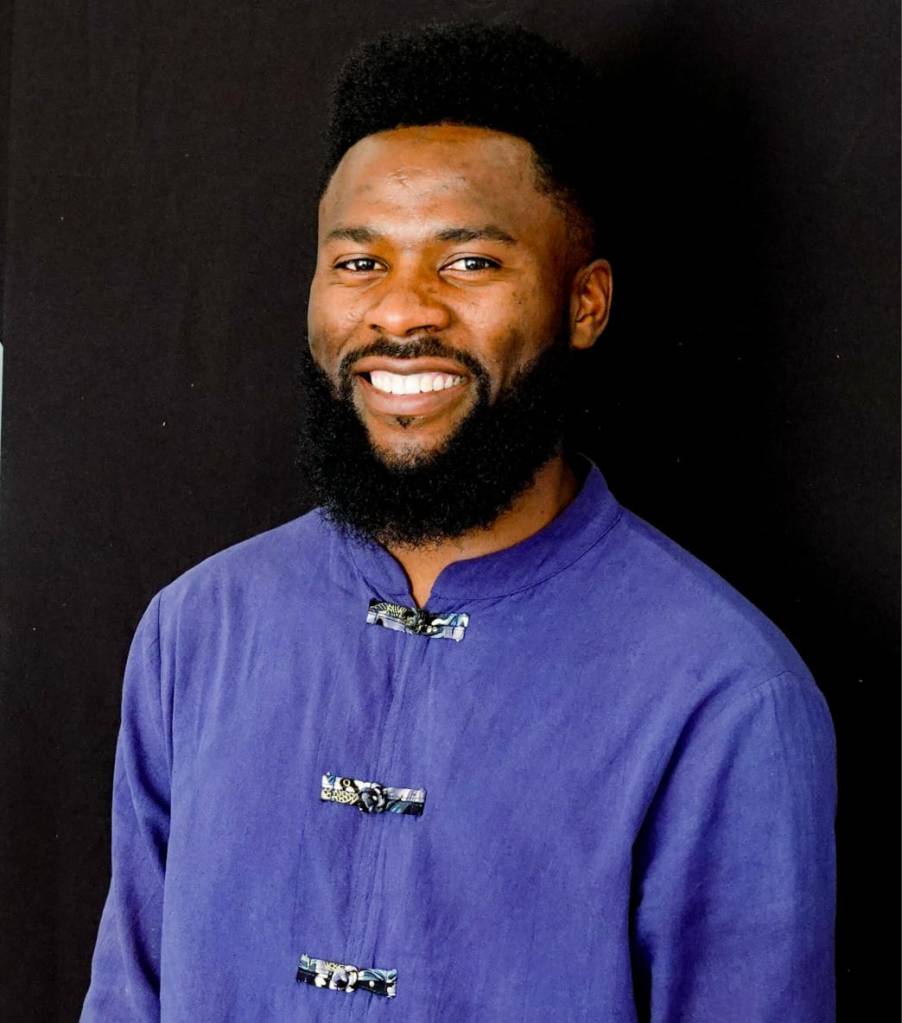
Charmant Bashombana

Nicole Cumiskey
 Understanding Ubuntu